

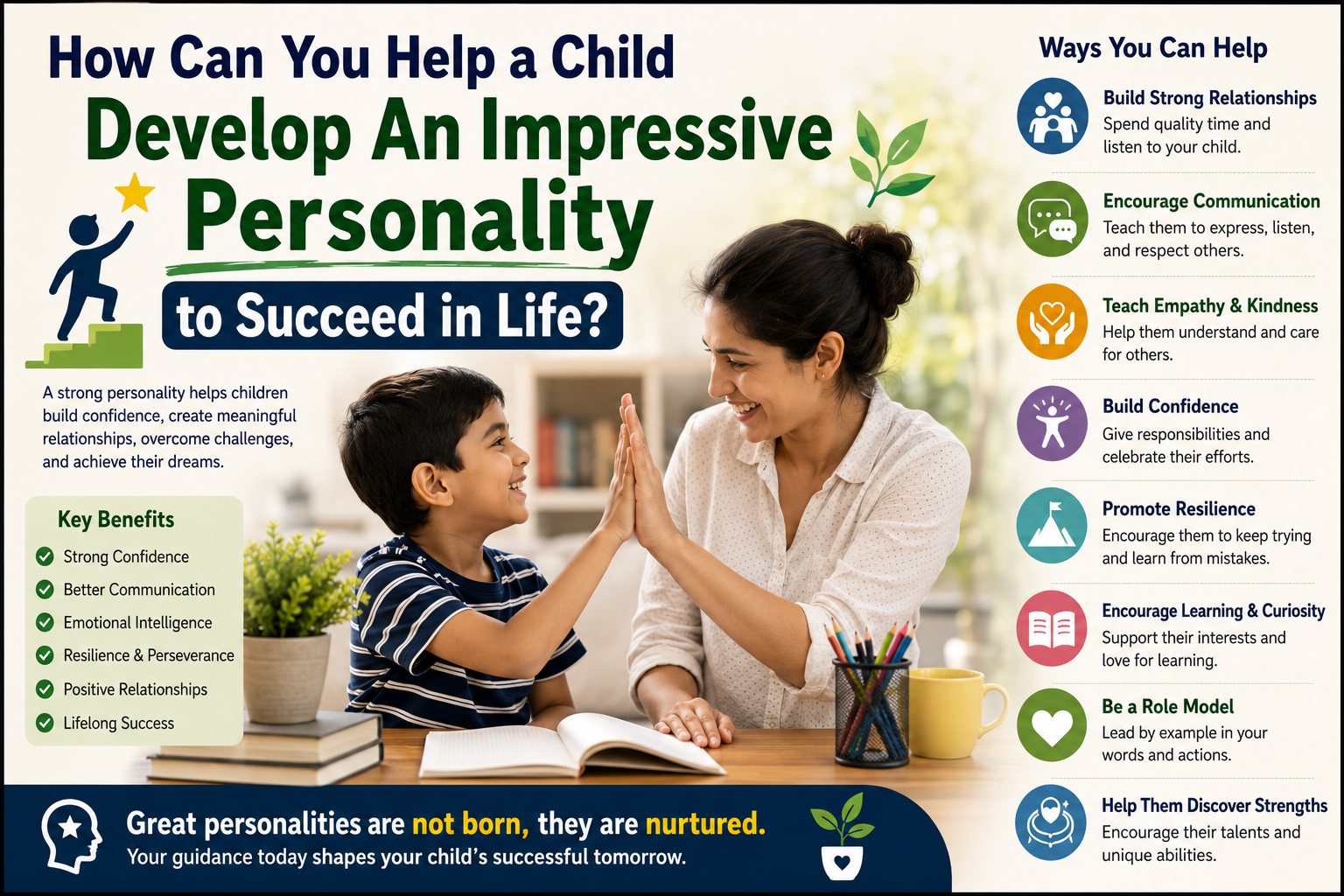
Every parent wants their child to grow into a confident, capable, and respected adult. While academic success is important, it is often a person’s character, interpersonal skills, and emotional intelligence that determine how far they go in life. An impressive personality is not something a child is born with—it is developed over time through guidance, experience, and positive relationships.
The good news is that parents, grandparents, and caregivers have tremendous influence in helping children develop the qualities that lead to lifelong success.
Build Strong Family Relationships
A child’s first lessons about communication, trust, empathy, and respect come from home. Children who feel loved, valued, and heard develop greater confidence and emotional security.
Spend meaningful time together. Share meals, engage in conversations, and create family traditions. When children experience healthy relationships at home, they learn how to build positive relationships with others throughout their lives.
Encourage Face-to-Face Communication
In today’s digital world, many children spend more time interacting with screens than with people. While technology has its place, nothing can replace real human interaction.
Encourage children to:
- Greet others politely.
- Maintain eye contact during conversations.
- Listen without interrupting.
- Express their thoughts respectfully.
These simple habits help develop strong communication skills, which are among the most valuable traits in both personal and professional life.
“A child’s personality is not shaped by what we tell them, but by what they see us do every day.”
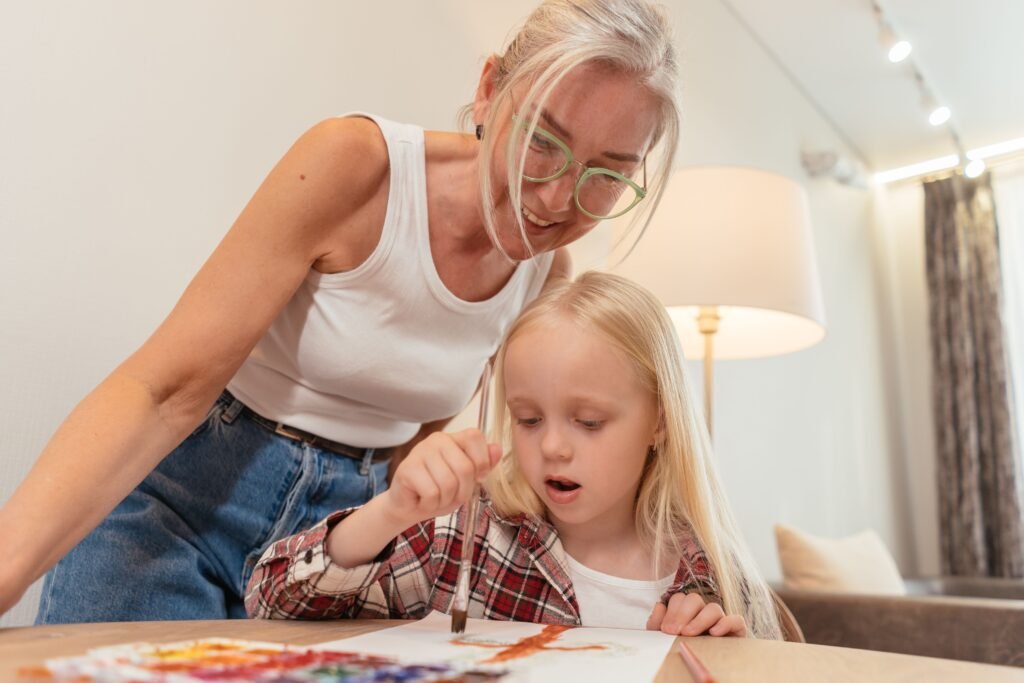
Teach Empathy and Kindness
Successful people understand how their actions affect others. Teaching children to recognize and respect the feelings of others helps them build stronger friendships and become compassionate leaders.
Encourage acts of kindness such as:
- Helping a sibling.
- Including someone who feels left out.
- Volunteering in community activities.
- Showing gratitude and appreciation.
Children who learn empathy become adults who inspire trust and respect.
Develop Confidence Through Responsibility
Confidence grows when children accomplish meaningful tasks and solve problems independently.
Give children age-appropriate responsibilities:
- Making their bed.
- Helping prepare meals.
- Caring for pets.
- Managing homework schedules.
Allow them to make mistakes and learn from them. Every challenge successfully overcome strengthens self-belief.
Teach Resilience and Perseverance
Life is filled with setbacks, disappointments, and obstacles. Children who learn to persevere develop mental strength and emotional resilience.
When children face difficulties:
- Encourage effort rather than perfection.
- Praise persistence.
- Help them view mistakes as opportunities to learn.
- Share stories of people who succeeded after failures.
Resilient children grow into adults who can handle adversity without losing confidence.
Limit Screen Time and Promote Real-World Experiences
Children develop social skills through real interactions, not through screens.
Encourage activities such as:
- Sports and outdoor play.
- Reading books.
- Family game nights.
- Community involvement.
- Creative hobbies like music, art, or writing.
These experiences teach teamwork, patience, leadership, and problem-solving—qualities that contribute to a strong personality.
Model the Behavior You Want to See
Children learn more from what parents do than from what parents say.
If you want your child to:
- Be respectful, show respect.
- Be honest, practice honesty.
- Be kind, demonstrate kindness.
- Be responsible, fulfill your commitments.
Your example becomes their blueprint for life.
Encourage Curiosity and Lifelong Learning
An impressive personality includes a willingness to learn and grow. Encourage children to ask questions, explore new ideas, and develop diverse interests.
Read together, visit museums, discuss current events, and expose them to different cultures and perspectives. Curious children often become adaptable adults capable of thriving in a changing world.
Teach Gratitude and Humility
True success is not measured solely by achievements but by character.
Help children appreciate what they have and recognize the contributions of others. Gratitude fosters happiness, while humility keeps success in perspective.
Children who remain grounded and appreciative are often more respected and admired than those who focus solely on personal accomplishments.
“The greatest gift we can give a child is not success, but the character to achieve it with integrity.”
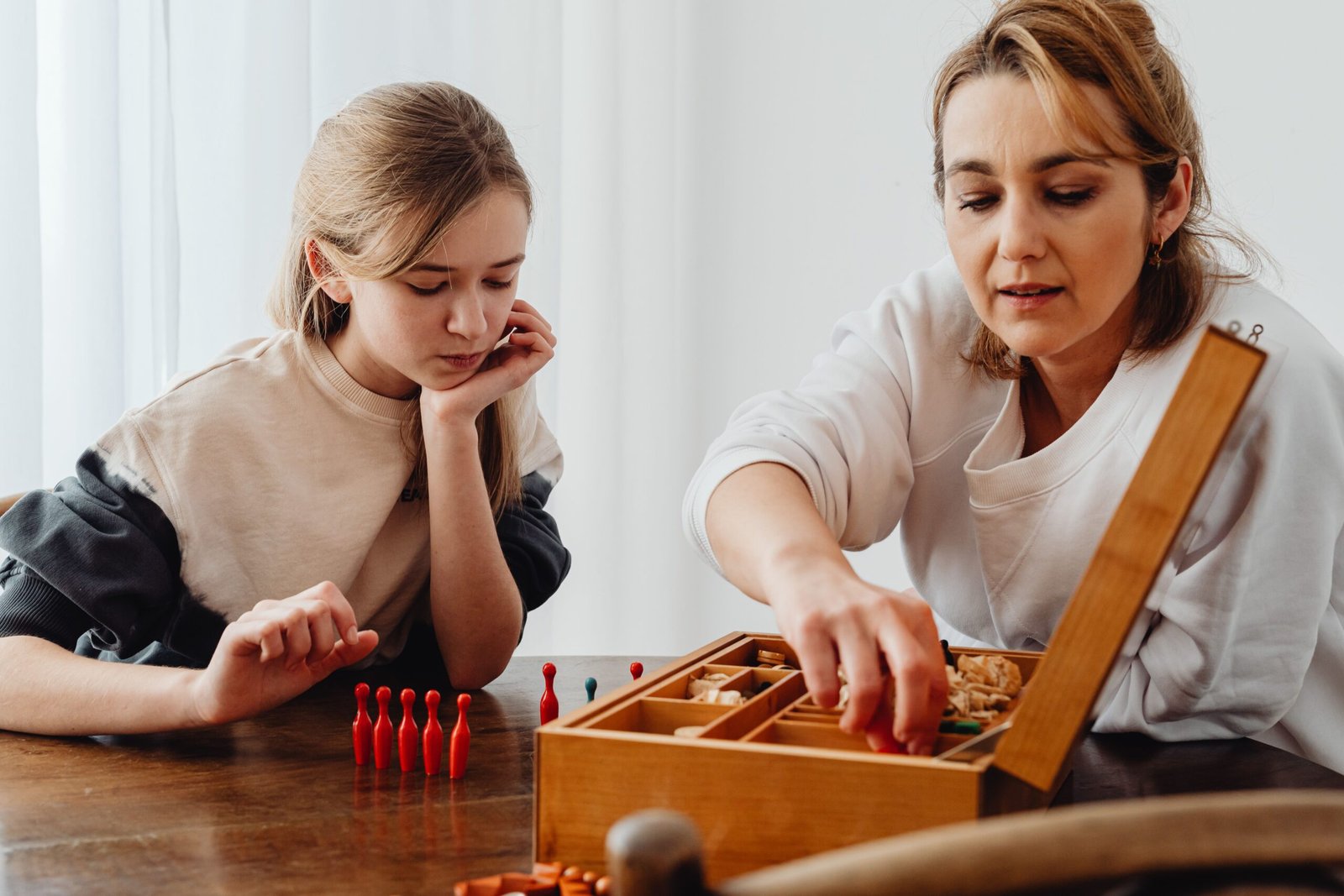
Help Them Discover Their Unique Strengths
Every child has talents, interests, and qualities that make them unique. Rather than comparing children to others, help them identify and develop their own strengths.
Celebrate effort, progress, and individuality. Children who understand their value develop authentic confidence and are more likely to pursue meaningful goals.
Final Thoughts
An impressive personality is built on character, confidence, empathy, resilience, and strong interpersonal skills. These qualities do not develop overnight, nor are they taught through lectures alone. They are nurtured through daily interactions, loving guidance, and consistent examples.
The greatest gift parents can give their children is not wealth or privilege, but the ability to build meaningful relationships, face challenges with courage, and treat others with kindness and respect. These qualities create the foundation for success—not only in careers, but in life itself.
Because in the end, people may forget what a child achieved, but they will always remember the kind of person they became.