
One Small Word That Can Protect a Lifetime
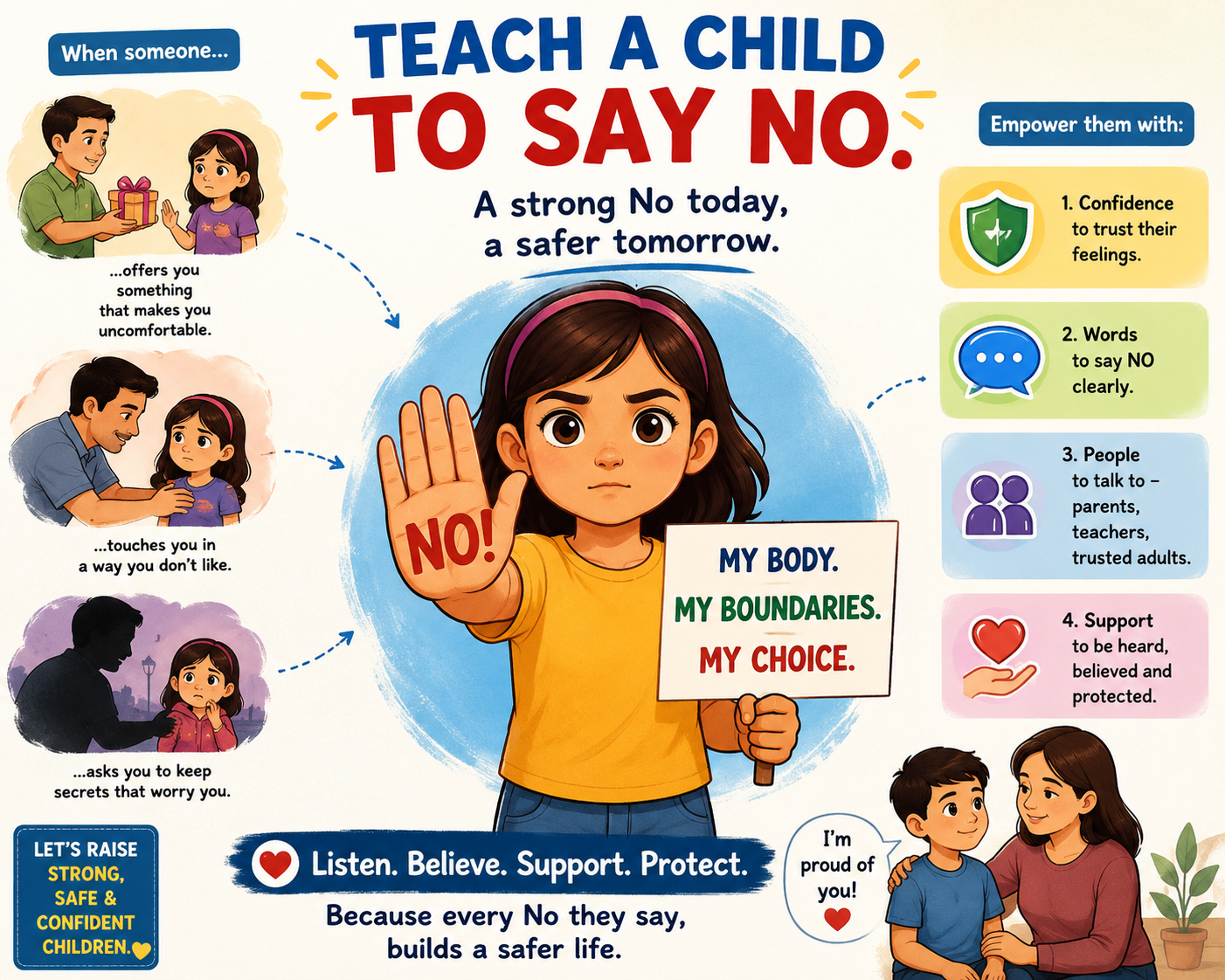
Many parents teach their children to be kind, respectful, and cooperative. These are important qualities that help children build strong relationships and become compassionate adults. However, there is another skill that is equally important and often overlooked: teaching a child to say “No.”
For many children, saying “No” can feel uncomfortable. They may worry about disappointing others, being disliked, or getting into trouble. Yet the ability to refuse something that feels wrong, unsafe, or inappropriate is one of the most important life skills a child can develop.
A confident and respectful “No” can protect a child from peer pressure, unhealthy relationships, risky situations, and decisions they may later regret. It is a simple word, but it carries tremendous power.
Why Children Struggle to Say No
Children are naturally inclined to seek approval from parents, teachers, friends, and other authority figures. From an early age, they are encouraged to share, cooperate, and follow instructions.
While these lessons are valuable, some children begin to believe that being “good” means always agreeing with others. As a result, they may suppress their own feelings and instincts to avoid conflict.
This tendency can become dangerous when children encounter situations where they should refuse—whether it is bullying, peer pressure, inappropriate behavior, or requests that make them uncomfortable.
Teaching children that they have the right to say “No” helps them understand that respect and obedience do not require surrendering their judgment or personal boundaries.
Teach That Their Feelings Matter
One of the first steps in helping children say “No” is teaching them to trust their feelings.
If a situation makes them feel uncomfortable, frightened, pressured, or confused, they should know that those feelings deserve attention.
Parents can encourage children to talk openly about their emotions without fear of criticism.
Questions such as:
- How did that make you feel?
- Did anything about that situation bother you?
- What would you like to do differently next time?
help children recognize and value their instincts.
A child who trusts their own judgment is far more likely to speak up when something feels wrong.
“A child who learns to say ‘No’ with confidence today becomes an adult who can stand firm for what is right tomorrow.”
Teach the Difference Between Respect and Compliance
Many children mistakenly believe that respecting someone means doing whatever that person asks.
In reality, respect does not mean surrendering personal boundaries.
A child can respectfully decline a request by saying:
- “No, thank you.”
- “I’m not comfortable with that.”
- “I don’t want to do that.”
- “I need to ask my parents first.”
These responses allow children to maintain politeness while protecting themselves.
The goal is not to raise rebellious children but to raise children who can think independently and make safe decisions.
Practice Saying No at Home
Confidence develops through practice.
Parents can create simple role-playing situations to help children rehearse saying “No.”
For example:
- A friend pressures them to cheat on a test.
- Someone encourages them to break a rule.
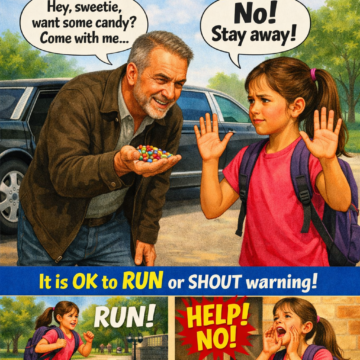
- A stranger asks them to go somewhere.
- A friend wants them to participate in bullying another child.
The more children practice responding, the easier it becomes when they encounter similar situations in real life.
Role-playing removes some of the fear and uncertainty that often prevents children from speaking up.
Teach Them About Peer Pressure
As children grow older, peer pressure becomes increasingly powerful.
The desire to fit in can sometimes outweigh good judgment.
Children should understand that true friends respect boundaries and accept “No” as an answer. Anyone who pressures, manipulates, threatens, or mocks them for refusing something is not acting like a genuine friend.
Remind children that courage is not doing what everyone else is doing. Courage is doing what is right, even when standing alone.
Give Them Permission to Walk Away
Sometimes saying “No” is not enough.
Children should know they can leave situations that make them uncomfortable.
Whether it is a conversation, a gathering, an online interaction, or an activity, they should understand that protecting themselves is more important than avoiding awkwardness.
Parents can reinforce this message by assuring children that they will never be punished for leaving a situation because they felt unsafe.
That assurance can make all the difference when a child faces a difficult decision.
Teach Digital Boundaries
In today’s world, children must also learn to say “No” online.
They may face pressure to share personal information, send photos, participate in harmful challenges, or engage in conversations that make them uncomfortable.
The same principles apply:
- If it feels wrong, say “No.”
- If someone pressures you, stop communicating.
- Tell a trusted adult immediately.
Digital confidence and digital safety begin with the same skill: the ability to refuse.
Model Healthy Boundaries
Children learn from watching adults.
When parents establish healthy boundaries, decline unreasonable requests, and respectfully say “No” when necessary, children see that setting limits is normal and healthy.
Parents who constantly sacrifice their own needs to please others may unintentionally teach children that personal boundaries are selfish.
In reality, healthy boundaries protect relationships rather than damage them.
The Power of One Word
The ability to say “No” is not about defiance. It is about self-respect.
It teaches children that their thoughts matter, their feelings matter, and their safety matters.
A child who can confidently say “No” is better prepared to resist peer pressure, avoid harmful situations, and build healthy relationships based on mutual respect.
One day, that small word may help them make a decision that protects their future, their values, or even their well-being.
And that is a lesson worth teaching.
Final Thoughts
Parents often focus on teaching children what they should do. Equally important is teaching them what they should refuse to do.
The ability to say “No” gives children confidence, independence, and resilience. It empowers them to stand up for themselves while remaining respectful of others.
When we teach children that they have the right to say “No,” we are not encouraging disobedience. We are teaching them one of life’s most valuable forms of protection—the courage to defend their values, their boundaries, and themselves.
“A child who can confidently say “No” is better prepared to resist peer pressure, avoid harmful situations, and build healthy relationships based on mutual respect.”